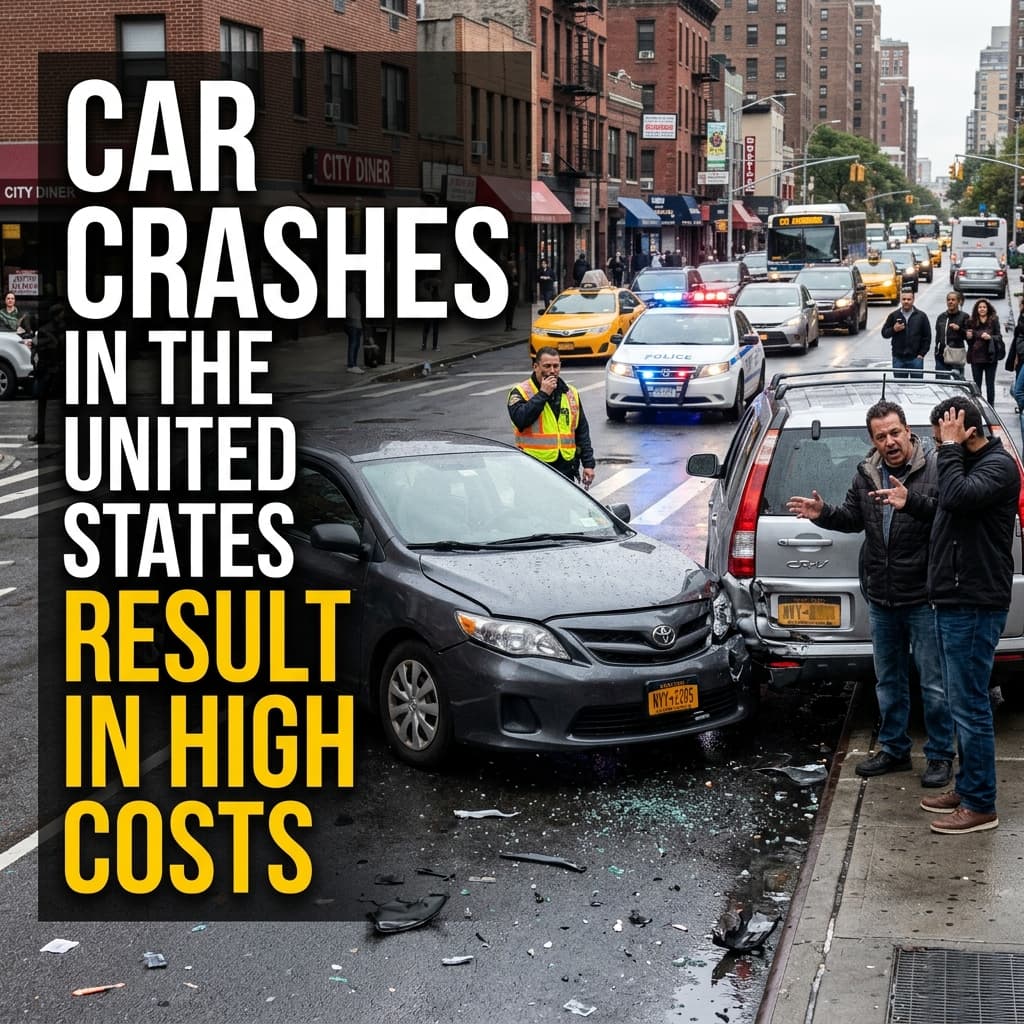
Answer: Money and Human Lives.
Car crashes drain hundreds of billions of dollars from the U.S. economy every year and kill tens of thousands of people while injuring millions more. Those two outcomes, financial loss and human loss, are the two broad areas the question is asking about. Lost work time and inadequate sleep both come up in discussions of crashes, but neither is one of the two root categories, for reasons explained below.
| Answer Option | Correct? | Why |
|---|---|---|
| Money | Yes | Crashes generate medical bills, property damage, lost wages, and other economic losses. |
| Work Time | Not a root answer | Lost work time is real, but it's counted as part of lost productivity, a cost category under Money. |
| Human Lives | Yes | Crashes kill and seriously injure people, harm that no dollar figure fully captures. |
| Sleep | No | Drowsiness can contribute to causing a crash, but it isn't itself an area where crash costs occur. |
Why Are Money and Human Lives the Correct Answers?
Money and Human Lives work as the answer because every specific crash cost fits inside one of them. According to a national crash-cost study from the National Highway Traffic Safety Administration (NHTSA), motor vehicle crashes cost the U.S. economy $340 billion in 2019, a total that grows to nearly $1.4 trillion once the value of lost quality of life is factored in. The crashes behind those numbers killed an estimated 36,500 people and injured 4.5 million more that year. A hospital bill, a totaled car, a missed paycheck, and a grieving family aren't four unrelated problems for the purposes of this question. Each is a specific instance of either an economic loss or a human loss.
Money: The Economic Cost of Car Crashes
Money is the umbrella term for every financial and economic loss a crash produces. That covers the costs most people think of first, like vehicle repairs and medical bills, along with costs that are just as real but less visible, like lost wages, disrupted businesses, insurance administration, legal proceedings, and traffic delays that reach drivers who were never in the crash. All of it counts as an economic cost, whether it lands on the person who crashed or on someone else entirely.
Human Lives: The Human Cost of Car Crashes
Human Lives refers to the deaths, injuries, and lasting harm crashes cause. In 2024, the most recent finalized year of federal crash data, 39,254 people were killed and about 2.42 million more were injured on U.S. roads, according to NHTSA. Some of those injuries heal completely; others lead to permanent disability or a diminished quality of life. No dollar figure fully captures what a crash costs a family that loses someone, which is why Human Lives stands as its own category instead of folding into Money.
What Costs Are Included Under "Money"?
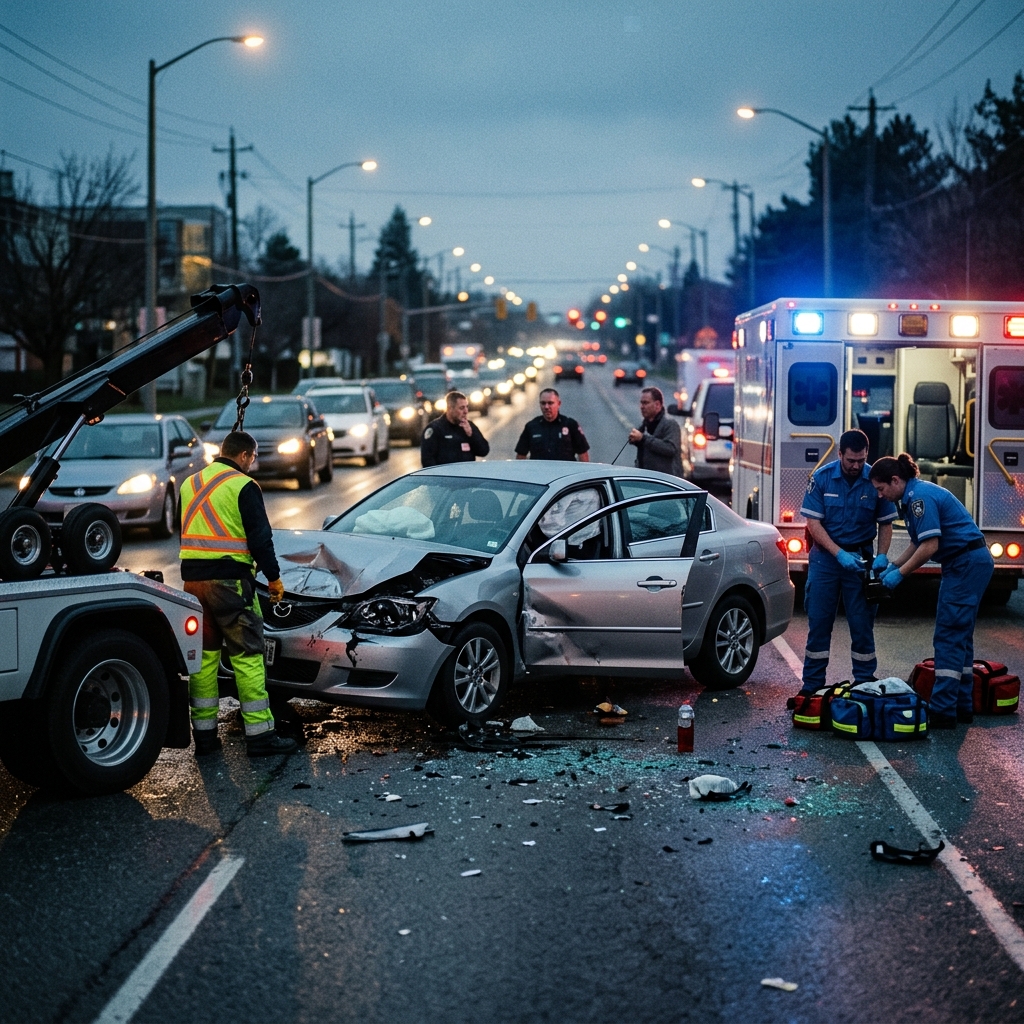
NHTSA's 2019 analysis breaks the $340 billion economic-cost total down into several components. The largest are summarized below.
| Cost Category (2019) | Estimated Cost |
|---|---|
| Property damage | $115 billion |
| Lost productivity (wages and household) | $106 billion |
| Traffic congestion and delay | $36 billion |
| Medical care | $31 billion |
| Legal, insurance administration, and emergency response | About $52 billion |
| Total economic cost | $340 billion |
Source: NHTSA, "The Economic and Societal Impact of Motor Vehicle Crashes, 2019 (Revised)," DOT HS 813 403, 2023.
Medical and Healthcare Costs
Crash injuries generate emergency treatment, hospital stays, surgery, and rehabilitation. NHTSA put direct medical expenses from 2019 crashes at $31 billion, and that figure climbs for injuries severe enough to need ongoing care.
Vehicle and Property Damage
Damaged vehicles, guardrails, signage, and other property make up the single largest share of crash costs: $115 billion in 2019. Most of this comes from the 23 million vehicles damaged that year, most of which were involved in crashes that caused property damage only, with no injury.
Lost Wages and Productivity
When a crash keeps someone out of work, whether for a few days of recovery or permanently, the income and output they would have produced is lost. NHTSA attributes $106 billion of the 2019 total to lost market and household productivity. Separate research from the Network of Employers for Traffic Safety (NETS) put the direct cost to employers alone at $72.2 billion that year, covering medical claims, missed workdays, and the administrative burden of crashes involving their employees.
Emergency, Insurance, and Administrative Costs
Serious crashes draw on police, fire, and paramedic response, and every insurance claim needs staff to process it. These costs are smaller individually than medical or productivity losses, but they recur across millions of crashes a year and end up built into everyone's insurance premiums.
Legal Costs and Traffic Delays
Serious crashes can trigger legal and court proceedings. Separately, any crash that blocks a lane or closes a road creates congestion for drivers who had nothing to do with it. NHTSA put congestion-related costs, including travel delay, wasted fuel, and the associated environmental impact, at $36 billion for 2019.
Why Isn't "Work Time" a Separate Correct Answer?
Lost work time is a real and measurable consequence of car crashes. Recovering from an injury, attending medical appointments, or losing the ability to work altogether all reduce the hours someone can put toward a job. But crash-cost research doesn't track "work time" as its own category. Instead, it's measured in dollars, as lost wages and lost productivity, which is one of the components that make up Money. A missed day of work has a calculable economic value, and that value is exactly what gets added into the productivity-loss figure described above. Work Time captures something true about crashes, but it isn't a third root category alongside Money and Human Lives. It's already counted inside Money.
Economic Costs vs. Human and Societal Costs
NHTSA tracks two related but different totals. The economic cost, $340 billion for 2019, covers direct, measurable expenses: medical bills, repairs, lost wages, and the other categories described above. A second, larger figure adds a valuation for pain, suffering, and lost quality of life on top of the economic cost. For 2019, that comprehensive or societal figure comes to nearly $1.4 trillion.
That second number isn't a way of pricing a person. Researchers build it from studies of what people, in aggregate, are willing to pay to reduce small risks to their own safety, the same general method used across federal safety regulation to weigh a rule's costs against its benefits. It lets agencies compare a life-saving investment to its cost without treating a fatality as purely a financial event. On a per-fatality basis, NHTSA calculates an average lifetime economic cost of $1.6 million and an average comprehensive cost of $11.3 million. The gap between those two figures is essentially the value assigned to the life and suffering a family loses, harm that a repair bill or a medical claim never touches.
Who Ultimately Pays for Car Crash Costs?
According to NHTSA, roughly three-quarters of all crash costs fall on people who weren't in the crash at all, spread across everyone's insurance premiums, tax bills, and the extra time lost sitting in crash-related traffic.
Crash Victims and Families
Drivers, passengers, and pedestrians involved in a crash absorb the most direct and personal costs: medical bills not covered by insurance, time away from work, vehicle repairs, and, in the worst cases, the loss of someone in their family.
Insurance Companies and Employers
Private and public insurers pay out claims for medical care and property damage, then spread that expense across policyholders through premiums. Employers absorb workplace disruption directly, covering temporary staffing, lost output, and higher insurance costs whenever a crash takes an employee off the job, a cost that adds up to tens of billions of dollars a year nationwide.
Government, Taxpayers, and Other Road Users
Public agencies fund emergency response, road maintenance, and a share of medical costs, and that spending comes from taxpayers. NHTSA found that public revenues covered about 9 percent of all 2019 crash costs, equal to $30 billion, or roughly $230 in added taxes per U.S. household that year. Other motorists absorb a quieter cost: every crash that blocks a lane or backs up traffic costs the drivers stuck behind it in fuel and time, even though they had no part in the crash itself.
Frequently Asked Questions
What Are the Two Correct Answers to the Car Crash Costs Question?
Money and Human Lives. Car crashes create large economic losses and also kill and injure people, and those are the two broad categories the question asks about.
How Do Car Crashes Cost Money?
Crashes cost money through medical bills, vehicle and property damage, lost wages and productivity, insurance administration, legal costs, emergency response, and traffic delays. NHTSA put the total economic cost of U.S. crashes at $340 billion in 2019.
Why Are Human Lives Considered a Cost of Car Crashes?
Because crashes kill and seriously injure people. In 2024, 39,254 people died and about 2.42 million more were injured in U.S. traffic crashes, harm that no financial figure fully accounts for.
Does Lost Work Time Count as a Cost of Car Crashes?
Yes, but not as its own category. Lost work time is measured and counted as part of lost productivity, which falls under Money instead of standing as a separate root answer.
Why Isn't Sleep One of the Correct Answers?
Because sleep relates to what causes a crash, not to where crash costs occur. Drowsy driving can contribute to a crash happening, but the question asks about the areas in which crash costs occur, not what leads to a crash in the first place.
What Is the Difference Between Economic Cost and Societal Cost?
Economic cost covers direct, measurable expenses like medical care, repairs, and lost wages. Societal or comprehensive cost adds a valuation for pain, suffering, and lost quality of life on top of that. For 2019, NHTSA put the economic cost at $340 billion and the comprehensive cost at nearly $1.4 trillion.
The information in this article is for general educational purposes only and does not constitute legal advice. Every claim is unique. Always consult with a qualified professional about your specific situation.
Written by
Editorial TeamClaims Specialists
Our editorial team consists of experienced claims specialists who understand the complexities of car accident claims. We are committed to providing accurate, helpful information to accident victims navigating the claims process.